
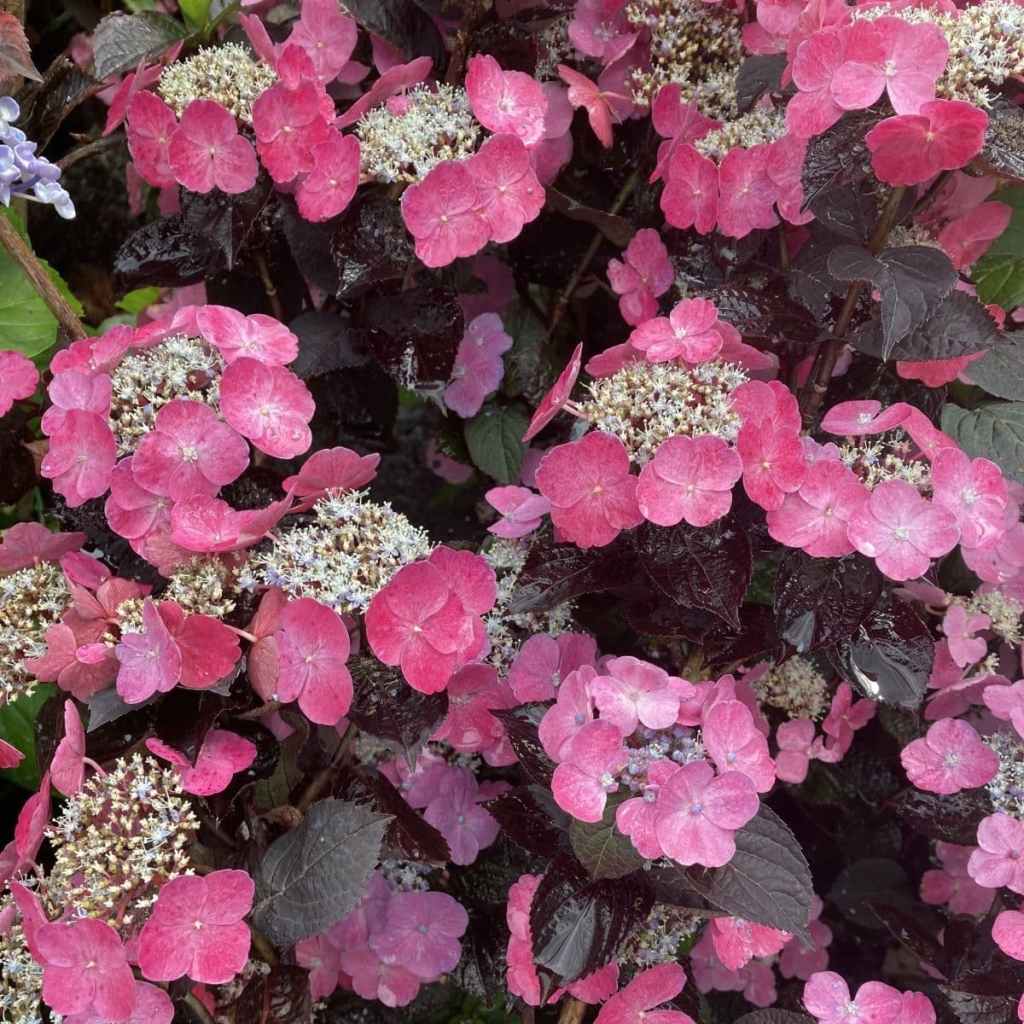
Caring for Hydrangeas in February: A Guide to Preparing for Spring Blooms
February is a transitional month for gardeners, especially when it comes to caring for hydrangeas. While these stunning flowering shrubs may still be dormant in many regions, this is the perfect time to set the stage for a vibrant and healthy growing season. Whether you’re a seasoned gardener or a beginner, here’s how to care for your hydrangeas in February to ensure they thrive come spring and summer.
Assess Your Hydrangea’s Winter Condition
Before diving into any care routine, take a moment to inspect your hydrangeas. Look for:
- Winter damage: Check for broken branches or stems caused by snow, ice, or wind.
- Signs of pests or disease: Although less common in winter, it’s good to spot any issues early.
- Mulch condition:Ensure the mulch around the base of the plant is still intact to protect the roots from freezing temperatures.If you notice any damaged branches, gently prune them back to healthy wood. Avoid heavy pruning in February, as this can reduce the number of blooms in the upcoming season.

Prune Based on Your Hydrangea Variety
Not all hydrangeas are pruned the same way, and February is a critical time to understand your plant’s needs:
- Bigleaf Hydrangeas (Hydrangea macrophylla): These bloom on old wood, so avoid pruning in February. Wait until after they flower in summer to trim.
- Panicle Hydrangeas (Hydrangea paniculata):These bloom on new wood and can be pruned in late winter or early spring. February is a great time to shape them.
- Smooth Hydrangeas (Hydrangea arborescens):These also bloom on new wood and can be pruned back to about 12-18 inches from the ground in February.-
- Oakleaf Hydrangeas (Hydrangea quercifolia): These bloom on old wood, so avoid pruning until after flowering.If you’re unsure of your hydrangea type, hold off on pruning until you can identify it.
Protect Hydrangeas from Late Frosts
In many regions, February can still bring unexpected frosts or freezing temperatures. To protect your hydrangeas:
- Cover the plants: Use burlap or frost cloth to shield them from sudden cold snaps.
- Maintain mulch:Ensure a 2-3 inch layer of mulch (like shredded bark or leaves) around the base of the plant to insulate the roots.
Prepare the Soil for Spring
February is an excellent time to test your soil and make adjustments to ensure your hydrangeas have the nutrients they need.
- Test the soil pH: Hydrangeas thrive in slightly acidic to neutral soil (pH 5.5-6.5). If your soil is too alkaline, consider adding sulfur or peat moss to lower the pH.
- Add organic matter:Work compost or well-rotted manure into the soil around the base of the plant to improve drainage and fertility.
Plan for Spring Fertilization
While it’s too early to fertilize in February, now is the time to plan
- Choose the right fertilizer: Use a balanced, slow-release fertilizer (10-10-10 or 12-4-8) designed for flowering shrubs.
- Mark your calendar:Aim to fertilize in early spring, just as new growth begins to emerge.
- Water Sparingly (If at All) Hydrangeas are dormant in February, so they require very little water. Overwatering during this time can lead to root rot. Only water if your region is experiencing an unusually dry winter, and even then, do so sparingly.

Dream and Plan for the Growing Season
February is a great time to dream about your garden’s future! Consider
- Adding new hydrangea varieties: Research different types of hydrangeas to add to your garden, such as the Hydrangea Daredevil which we stock here at Reuthe’s amongst many other varieties.
- Designing your garden layout: Think about how your hydrangeas will complement other plants in your landscape.
Final Thoughts
Caring for hydrangeas in February is all about preparation and protection. By taking the time to assess, prune, and protect your plants now, you’ll set the stage for a spectacular display of blooms in the coming months. Remember, every hydrangea variety has its own unique needs, so tailor your care routine accordingly.
With a little effort this month, you’ll be rewarded with lush, vibrant hydrangeas that will be the envy of your neighborhood come summer. Happy gardening!